From Driving to Owning: Why South Florida Drivers Are Building Their Own Brand
For most rideshare drivers, the relationship with the app is simple. You log in, you accept rides, you log off. The app owns the customer, the app owns the rating, and the app owns the relationship. When the app changes its rules, your income changes with it, and you have no say in the matter.
A growing number of drivers in Miami, Fort Lauderdale, and Palm Beach are asking a different question. Instead of "how do I get more rides," they are asking "how do I build something that is mine." That shift, from driving for a platform to owning a piece of the business, is what this article is about.
The Problem With Being Just a Number on an App
Every driver knows the feeling. You build a five star rating over hundreds of trips, and none of it belongs to you. If you stop driving for one app and start with another, that reputation does not transfer. Riders you served regularly cannot find you again unless the algorithm happens to match you up.
This is not a criticism of any single platform. It is simply how the model works. The app is the business. The driver is a resource the business uses to deliver its service. That arrangement can still work well for many people, especially those who want flexible hours with no responsibility for marketing, invoicing, or customer service beyond the ride itself.
But it means every dollar a driver earns depends entirely on decisions made somewhere else: pricing changes, new fee structures, or shifts in how many drivers are allowed to log in during a given hour.
What Owning Your Brand Actually Means
Owning your brand as a driver does not require quitting the apps you already use. It means adding a layer underneath the app work that belongs to you specifically. A few concrete examples:
- A Driver ID that riders associate with you personally, not just with whichever app happened to dispatch the trip.
- A way for satisfied riders to book you again directly, instead of hoping the algorithm reconnects you.
- A simple, consistent way you present yourself, your car, and your service that riders remember and recommend to others.
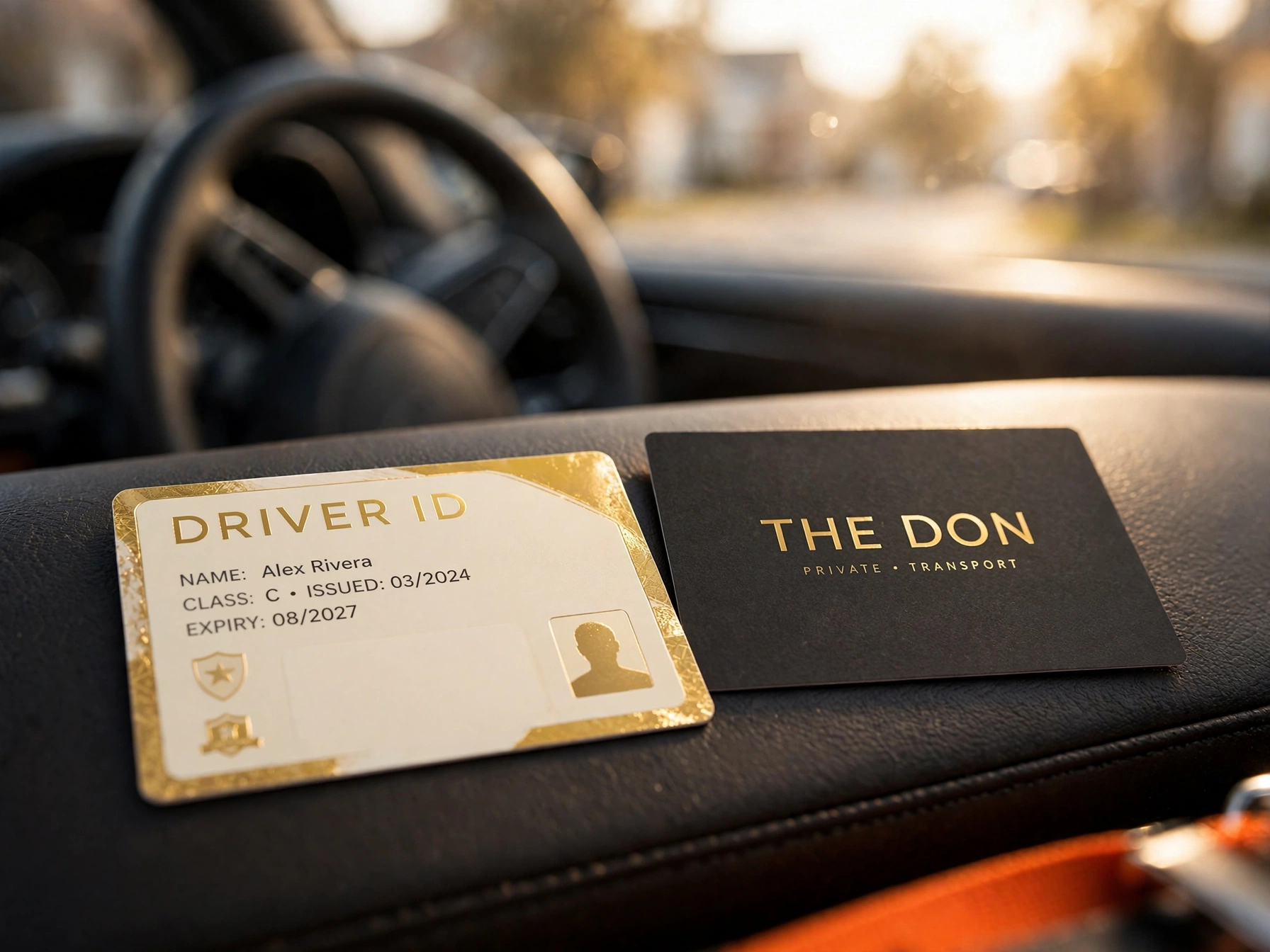
None of this replaces app-based income. It sits alongside it, so that a driver who has spent years building a strong reputation actually gets to keep that reputation, rather than starting over every time a platform changes its terms.
Why South Florida Right Now
South Florida has a dense, tourism-heavy rideshare market, particularly across Miami, Fort Lauderdale, and Palm Beach. High visitor volume means a large pool of one-time riders, but it also means a meaningful base of repeat riders: business travelers, hotel concierge referrals, and residents who prefer a driver they already trust over an unfamiliar match every time.
That repeat rider base is exactly where a driver-owned brand has room to work. A tourist who had a great airport pickup has a reason to look for that same driver on their next trip to Miami, if there is a way for them to find and book that driver directly.
This is also the reason The Don Reservations platform is currently running its beta phase specifically in South Florida, focused on Miami, Fort Lauderdale, and Palm Beach, rather than launching nationwide at once. Testing the direct booking model in one high-density market first means working out the details before expanding further.
The Financial Reality, Without the Hype
It is worth being direct about what building a driver brand does and does not change financially.
Any additional bookings a driver picks up through direct booking or repeat riders are still subject to the same cost structure as app-based rides. Before counting anything as profit, a driver still needs to account for:
- Vehicle insurance appropriate for commercial or rideshare use
- Tolls incurred during trips
- Parking, especially in dense areas like downtown Miami or Fort Lauderdale
- Lease or car payments allocated to the portion of use tied to driving
- Self-employment tax that should be set aside from every trip, not just app trips

Whatever is left after those costs is pre-tax profit, not take-home pay. Self-employment tax and any applicable local licensing costs still apply to income earned through direct bookings, exactly as they do to app income. Building a brand does not remove these obligations. It simply gives a driver an additional, more stable channel for generating revenue on top of app work, one where the driver has more say in the relationship with the rider.
Getting Started Without Overcomplicating It
Drivers do not need a marketing degree to start this. The basic sequence looks like this:
- Get a Driver ID that riders can associate with you specifically.
- Keep your car and your presentation consistent enough that riders remember you.
- When a rider mentions they would book you again, give them an actual way to do that.
- Track direct bookings separately from app income, so tax time is accurate.
That last step matters more than it sounds. Mixing app income and direct income together without separating them makes quarterly tax estimates harder and increases the odds of underpaying.
The Takeaway
Driving for an app will likely remain part of the picture for most drivers in South Florida for a long time, and that is fine. But drivers who also build something that belongs to them, a reputation, a direct line to repeat riders, an actual brand, are protecting themselves against a business model they do not control.
The Don Reservations beta is currently open to drivers in Miami, Fort Lauderdale, and Palm Beach. If you want to see what direct booking could look like alongside your existing app work, request access to the beta and take the first step from driving to owning.