Protecting Yourself on the Road: Insurance Gaps, Dashcams, and Documentation Every Rideshare Driver Needs
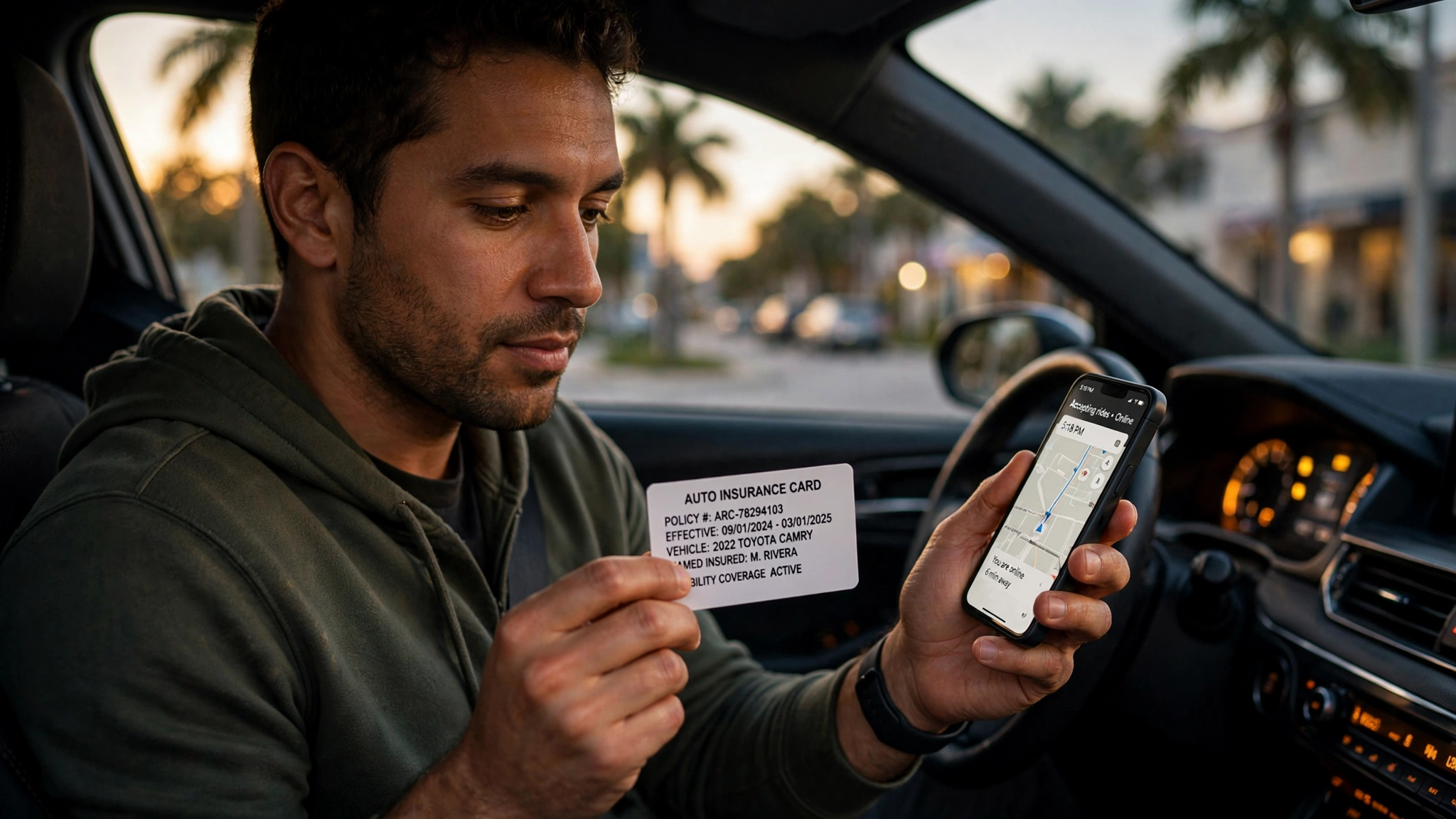
Most drivers do not think about insurance until something goes wrong. You are sitting at a red light with the app on, waiting for your first ping of the night, and it never crosses your mind that the coverage protecting you right now might be thinner than you assume. That gap is real, it has a name in the insurance industry, and it catches new drivers off guard more often than it should.
Where the coverage gap actually happens
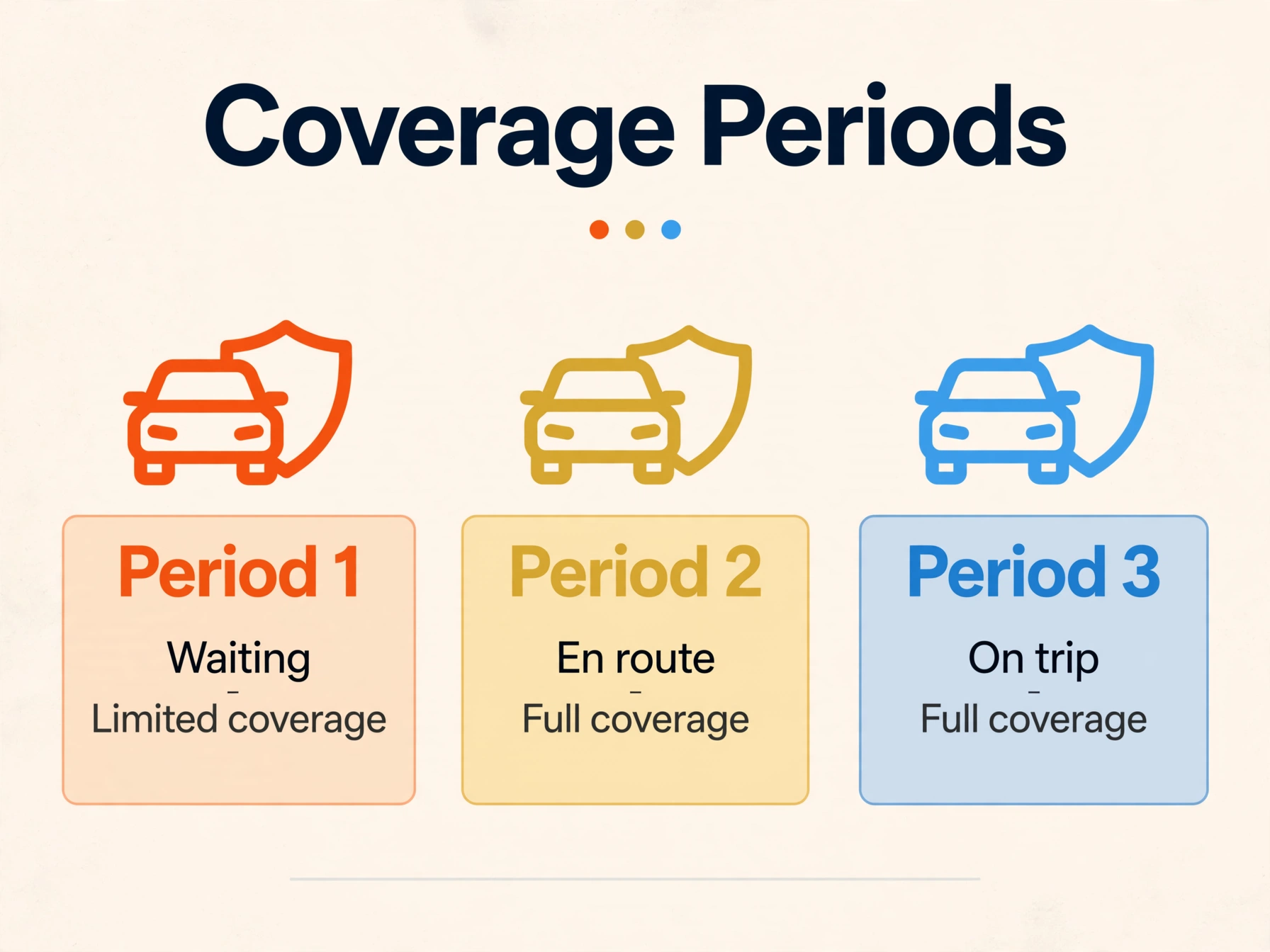
Insurance regulators generally split rideshare driving into three periods. Period one covers the time after you log into the app but before you are matched with a rider. Period two runs from the moment you accept a ride until the passenger is physically in your car, and period three covers the trip itself once the passenger is on board.
Most personal auto policies were never written with rideshare driving in mind, so many insurers treat any of these periods as commercial use and simply decline claims. The gap tends to show up hardest in period one, since platforms typically provide full liability, collision, and uninsured motorist coverage once a ride is accepted, but only limited liability coverage while you are just waiting for a match. If something happens during that waiting window, you could be left covering vehicle repairs yourself even though you were technically working.
This is not a new problem. Insurers have been building rideshare specific endorsements for years, with several major carriers now offering optional add ons that keep coverage like collision, comprehensive, and medical payments active during that period one window. The point is not to alarm you, it is to make sure you know this gap exists before you find out about it after an accident.
What to look for in a rideshare specific policy
When you call your insurer or shop for a new policy, ask specifically about these things instead of assuming your standard policy already handles them.
First, confirm whether the policy includes a rideshare endorsement or gap coverage rider, and ask directly whether it applies during period one, not just periods two and three. Second, check whether comprehensive and collision coverage carry over during all three periods, since some cheaper add ons only restore liability coverage and leave your own vehicle exposed. Third, ask about your deductible during rideshare use specifically, since some endorsements come with a higher deductible than your standard personal policy. Fourth, get clear on how a claim is actually processed, meaning whether your personal insurer or the platform's commercial policy responds first, since this affects how quickly you get back on the road after a claim.
It is worth calling two or three insurers and comparing quotes rather than accepting the first rideshare endorsement offered, since pricing and coverage details vary by state and by carrier.
Setting up a dashcam that actually protects you
A dashcam will not prevent an accident, but it can be the difference between a fast, clean resolution and weeks of disputing what happened, especially with a passenger who files a complaint that does not match what actually occurred.
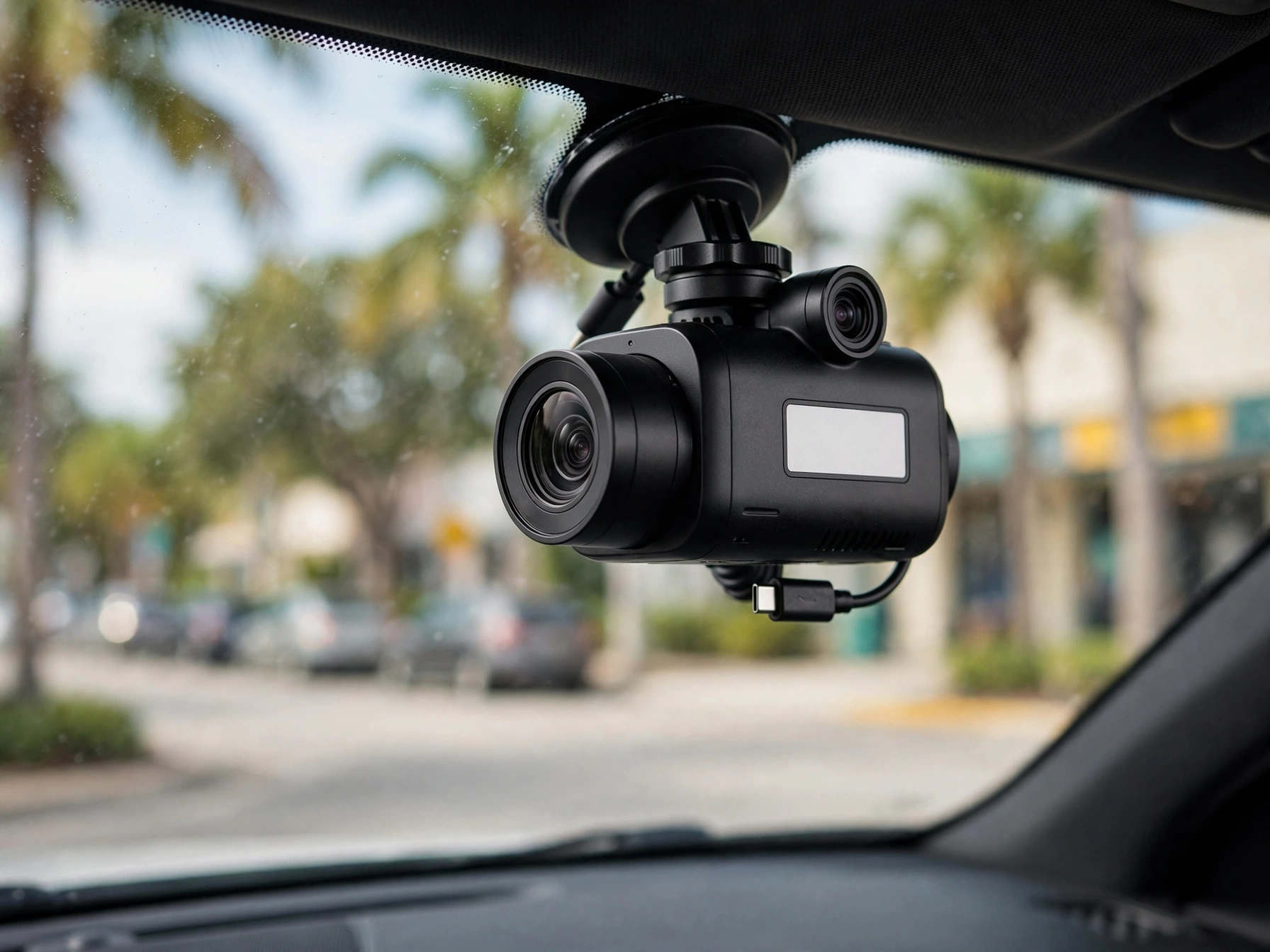
A few practical setup notes. Choose a camera that records both the road ahead and the cabin interior, since passenger disputes are just as common as accidents and a cabin view protects you in both situations. Hardwire it to a parking mode kit if your budget allows, so it keeps recording even when the car is off and parked. Use a memory card rated for continuous recording, since standard cards wear out quickly under that kind of write cycle. Finally, check your state and local rules on recording passengers, since some areas require a visible notice that audio and video recording is in use inside the vehicle.
Building a documentation habit
Insurance and dashcams cover the big moments, but small documentation habits protect you day to day. Take a photo of your dashboard and odometer at the start and end of each shift. Save screenshots of your trip details if a rider disputes a fare or files a complaint. Keep a simple log, even a notes app entry, of unusual incidents like a rider getting aggressive or a near miss on the road. None of this takes more than a minute or two per shift, and it becomes invaluable the one time you actually need it.
The bottom line
The coverage gap between your personal policy and platform insurance is not something drivers talk about enough, and it is not something you want to discover for the first time after an accident. A rideshare specific policy add on, a properly set up dashcam, and a few small documentation habits are inexpensive ways to make sure one bad night on the road does not turn into months of financial and legal stress.
Related reading: EV vs Gas Rideshare Cost Per Mile in 2026 and join the free driver community.