What Rideshare Drivers Are Really Asking For in 2026: Pay Transparency and a Driver Bill of Rights
Talk to any driver group online right now and the same frustrations keep coming up. Fares that make no sense. Bonuses that vanish without warning. A deactivation email that arrives with no explanation and no one to appeal to. None of this is new exactly, but heading into 2026, drivers are being louder and more specific about what actually needs to change.
The pay transparency problem
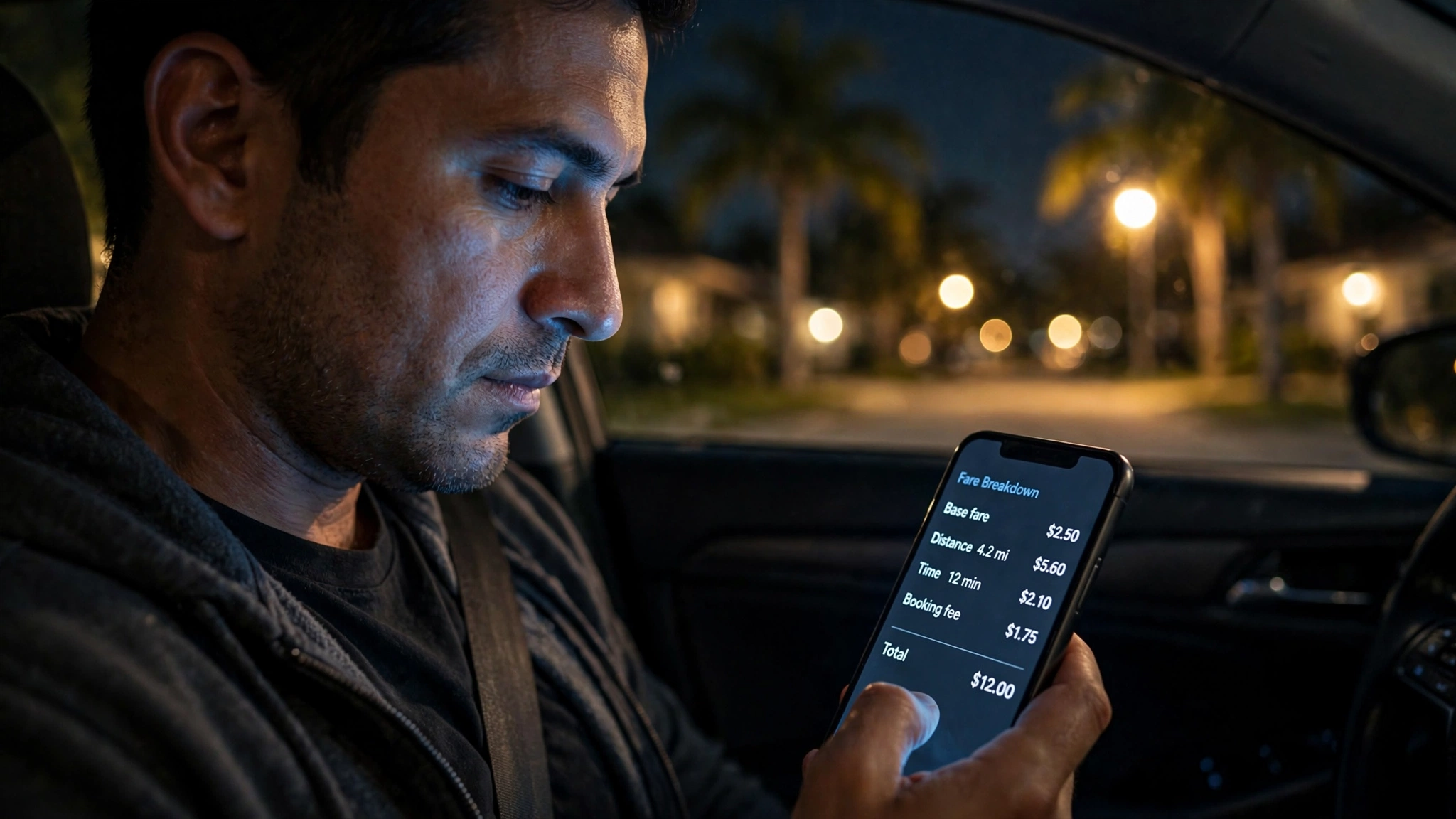
The biggest complaint is simple: drivers cannot predict their own income. Upfront fare pricing means the rider sees one number and the driver sees another, with little explanation for the gap between them. Pay structures shift with little notice, incentives that were reliable one month disappear the next, and drivers are often left guessing why a fare landed where it did.
What drivers are asking for is not complicated. Clear per mile and per minute rates. A visible breakdown of how a fare was calculated. Advance notice before pay structures change instead of finding out mid shift. None of this is a demand for guaranteed income, it is a demand for the same clarity you would expect from any other job.
Why a Driver Bill of Rights keeps coming up
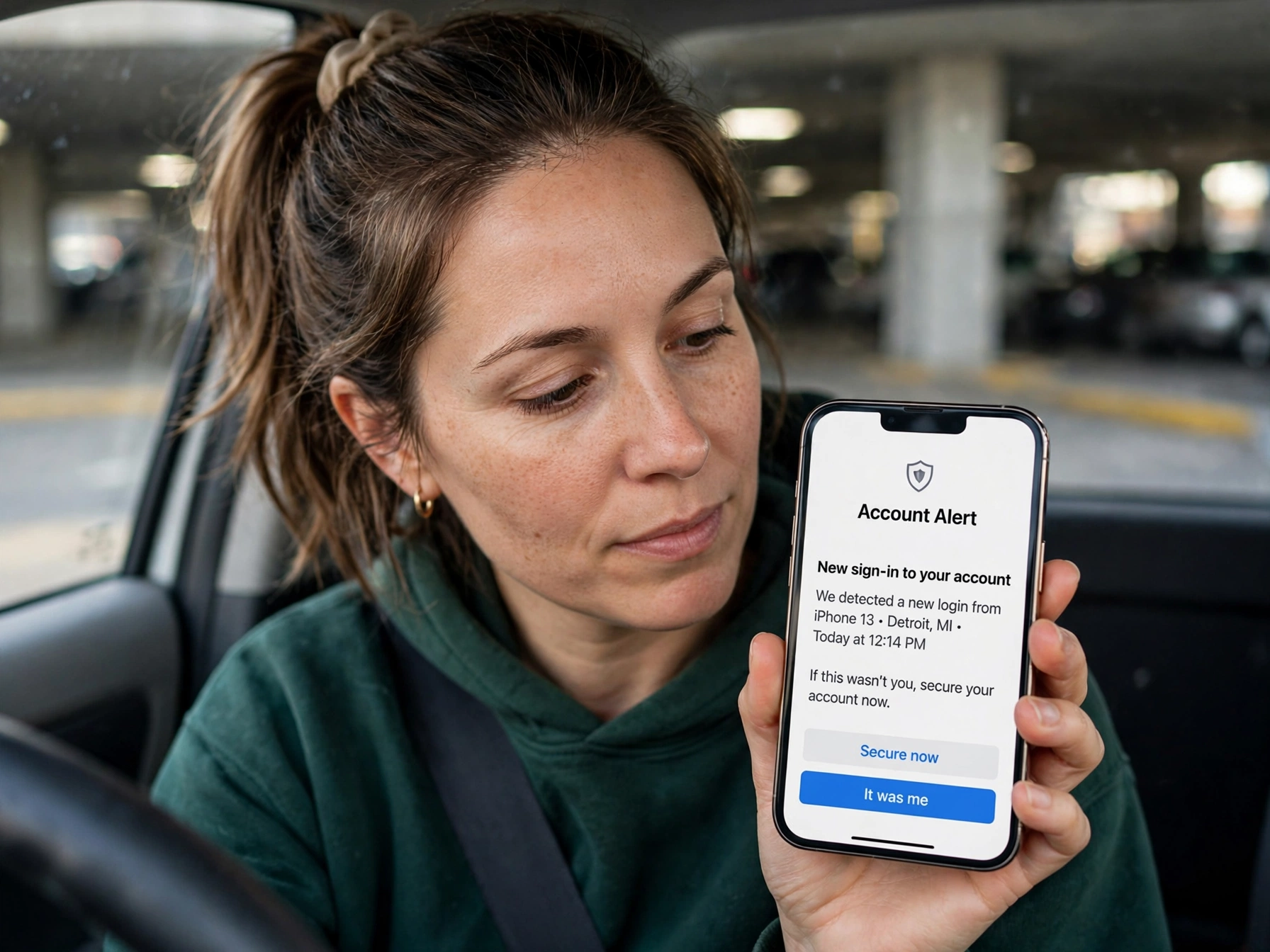
The phrase Driver Bill of Rights has become shorthand for a specific set of protections drivers want written down rather than left to chance. At the center of it is deactivation. Right now, a driver can lose access to the app based on a single unverified rider complaint, sometimes with no real human review and no clear path to appeal. Since app access often means immediate income, that kind of uncertainty affects far more than one bad rating.
The core asks behind a Driver Bill of Rights include a clear process before deactivation happens, a real appeal reviewed by an actual person, protection against false or retaliatory complaints, and honest communication about safety related account decisions. None of this asks platforms to stop moderating bad behavior. It asks them to apply consequences fairly and transparently instead of silently.
Dead miles and unpaid waiting are wearing drivers down
Ask any experienced driver about their least favorite part of the job and dead miles usually comes up fast. That is the time spent driving to a pickup, circling an airport queue, or heading back from a drop off far outside the city, none of which is compensated the same way an active trip is. Some driver community estimates suggest this uncompensated time can eat up a substantial share of a shift, though exact figures vary by market and platform, so treat any specific percentage as a rough estimate rather than a fixed rule.
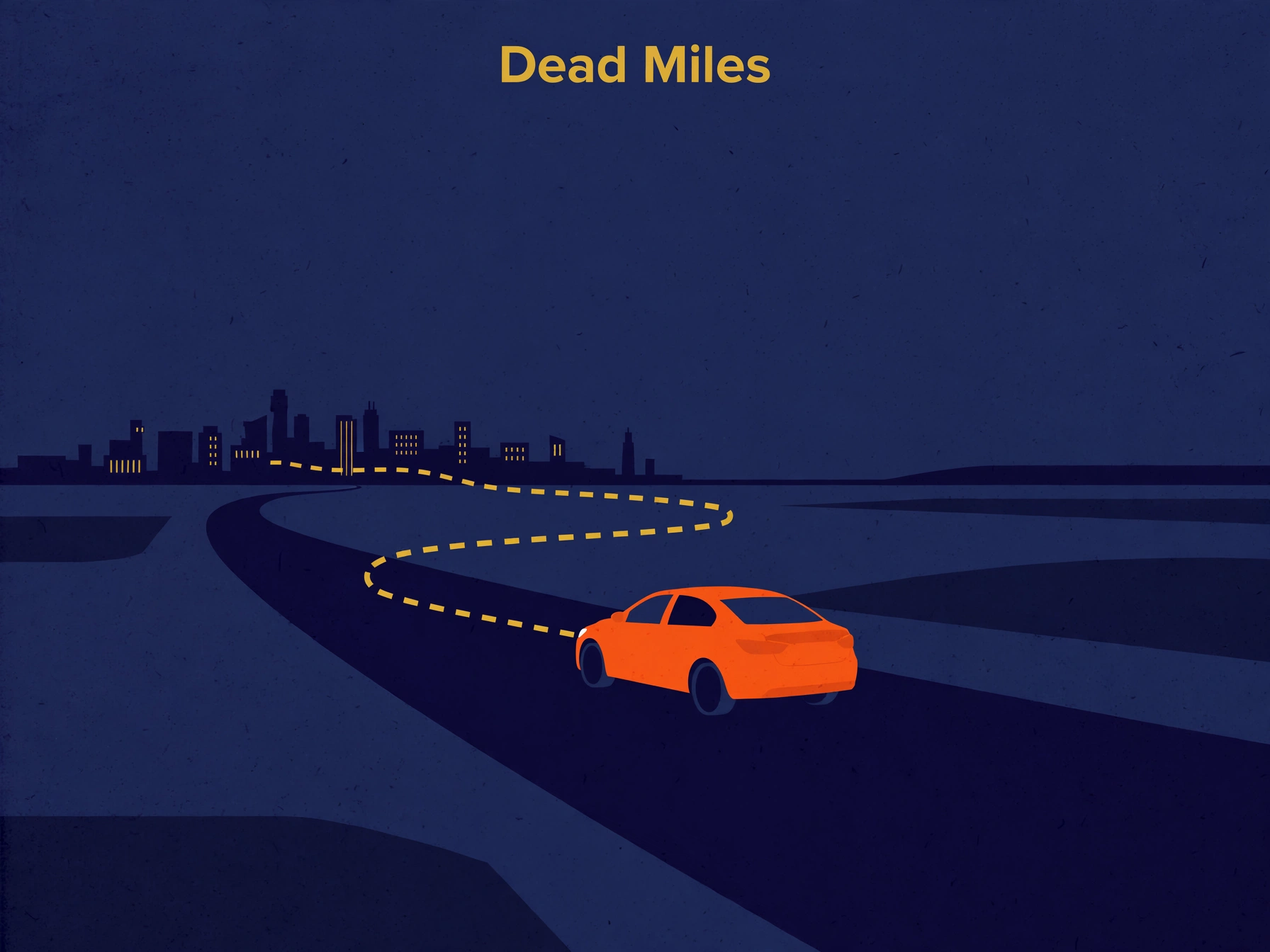
What drivers are asking for here is fairly specific. A minimum guaranteed rate for pickup distance instead of zero compensation for the drive there. Fair pay for long waits at airports or event venues where queues can run well past what a driver expected. Better compensation for trips that end far from any populated area, since getting back to a fare heavy zone can eat up unpaid time and fuel.
What fair compensation could actually look like
None of this requires reinventing the entire pay model. It requires acknowledging that a driver's time has value even when a passenger is not in the seat. A workable version of fair compensation would treat pickup distance and reasonable wait time as part of the job, not a gap the driver absorbs for free, and it would come with a transparent explanation of how any fare or bonus was actually calculated.
Why some drivers are looking at direct booking as an alternative
This is exactly why more drivers are starting to explore direct booking models that put scheduling, pricing, and client relationships back in the driver's hands instead of an algorithm's. Don Reservations was built around that idea, giving drivers a way to build direct client relationships and operate with more control over their own bookings, rather than depending entirely on a single platform's pay structure. It is not a guarantee of higher earnings, but it is a real option for drivers who are tired of waiting for a Driver Bill of Rights to arrive and want more ownership over their own work today.
For more on rideshare earnings and options, check out our Rideshare Pay Gap 2026 Explained and Don Reservations.